
1966
The Dadar origin story
Ashok Vaidya is widely credited with starting a vada pav stall outside Dadar railway station. The most common account says the format answered a need for something portable, affordable and quick.
The story of vada pav is the story of Mumbai learning to eat at the speed of Mumbai. Ashok Vaidya sits at the centre of the most widely repeated origin account.
An approved archival portrait can replace this monogram instantly without changing the layout.
Accounts cited by GBH, TasteAtlas and Indian food media place Ashok Vaidya outside Dadar railway station in the 1960s. The logic was practical: combine familiar batata vada with pav to create a cheap, portable, filling snack.
The earliest customers are often described as daily commuters and workers from central Mumbai's textile-mill districts. In that context, convenience was not a branding strategy — it was the product's reason to exist.
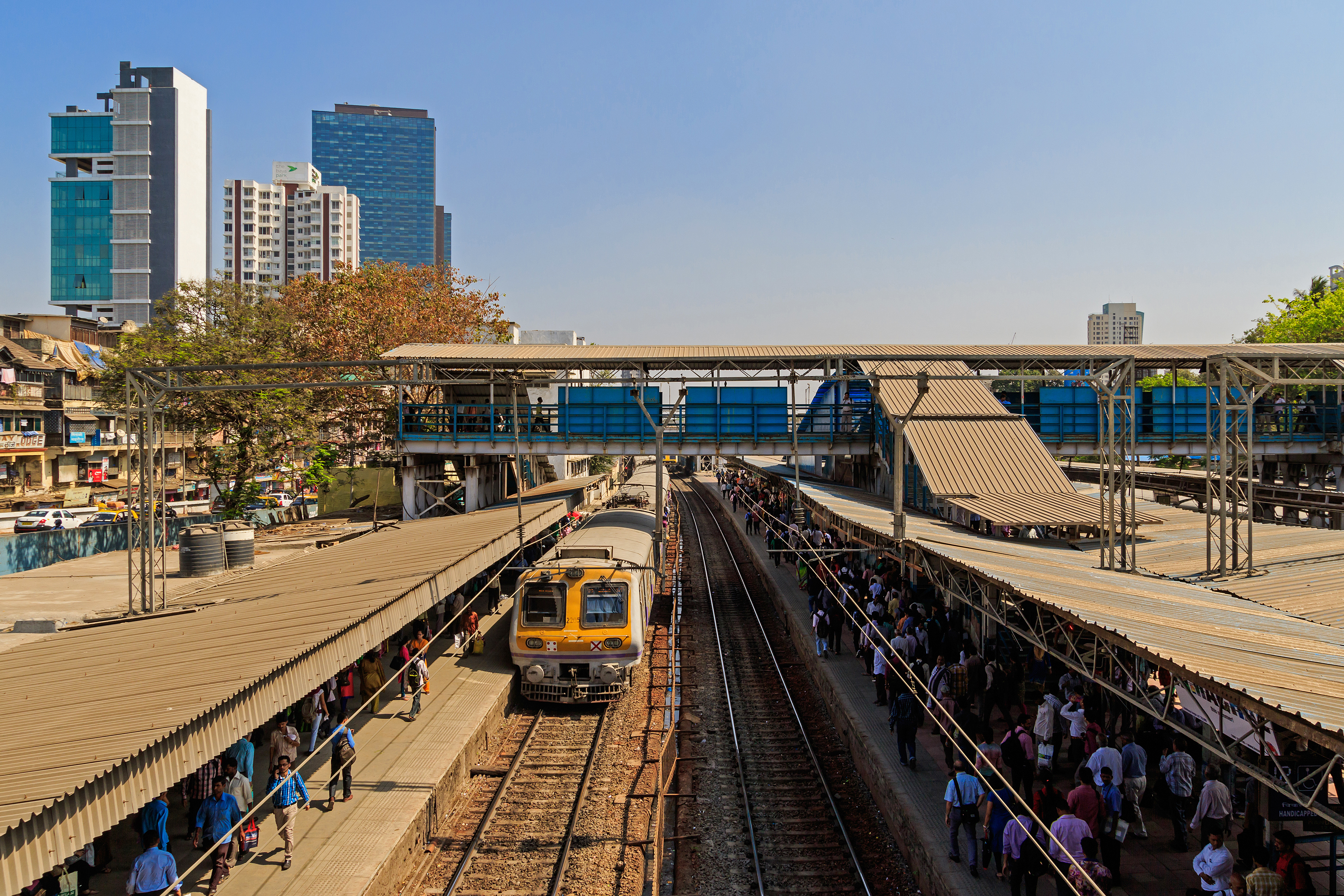
Dadar sits at a transport and cultural crossroads. Dense rail traffic, nearby working-class neighbourhoods and the wider mill economy created exactly the kind of footfall a fast, affordable street snack could serve.
The product did not ask people to change their routine. It fitted into the routine they already had: walking, waiting, boarding, working, rushing home.
This timeline separates well-sourced milestones from folklore and avoids claiming that every later “Ashok Vada Pav” reference belongs to the same stall.
Ashok Vaidya is widely credited with starting a vada pav stall outside Dadar railway station. The most common account says the format answered a need for something portable, affordable and quick.
Commuters and mill workers help establish vada pav as everyday fuel. Its political and Marathi cultural symbolism also grows during this period.
Food writers have linked the growth of vada pav vending to the aftermath of the textile-mill strike, when displaced workers looked for new livelihoods.
Vada pav moves far beyond street stalls: restaurant reinterpretations, branded chains, political campaigns and food-tour culture make it legible across India.
Siddharth Aalambayan's five-minute short at the Mumbai Film Festival tells the story of the snack's commercial scale while returning attention to Ashok Vaidya.
GBH/PRI reported that Ashok Vaidya's son Narendra continued the family business outside Dadar station, making continuity part of the heritage story.
International food guides continue to rank and describe vada pav as one of Mumbai's signature foods. Modern “Ashok Vada Pav” coverage must be read carefully because the Kirti College stall is a separate business founded later.
This team section uses verified names where available and intentionally avoids inventing job titles or biographies.
Street vendor widely credited with the 1966 Dadar origin account of vada pav.
Reported by GBH in 2016 as continuing his father's business outside Dadar railway station.
Use this card for current verified family/staff names and approved portraits once supplied by the business.
The strongest part of the Ashok story is not nostalgia. It is product-market fit before anyone used that phrase.
Assembly measured in moments, not table turns.
A snack that can move with the customer.
Existing foods combined into a more useful format.
Texture and spice make a tiny product feel complete.

Its affordability and relationship to commuting and mill districts gave it meaning beyond taste.
Every area developed favourite stalls, chutney preferences and arguments about what a “proper” vada pav should be.
Film, politics, travel writing and restaurant menus turned the snack into a recognisable symbol of Mumbai.

A deeper website should make the visitor understand the place, not only the product. Dadar connects railway density, Marathi cultural life, Shivaji Park, markets, institutions and generations of everyday food habits.
That is why the site uses station boards, route lines, ticket formats and Marathi micro-copy as storytelling devices — they are part of the context rather than surface decoration.
The media page turns press coverage into a newspaper-inspired archive, with source notes that keep the two “Ashok” histories distinct.