
Mumbai,
served hot.
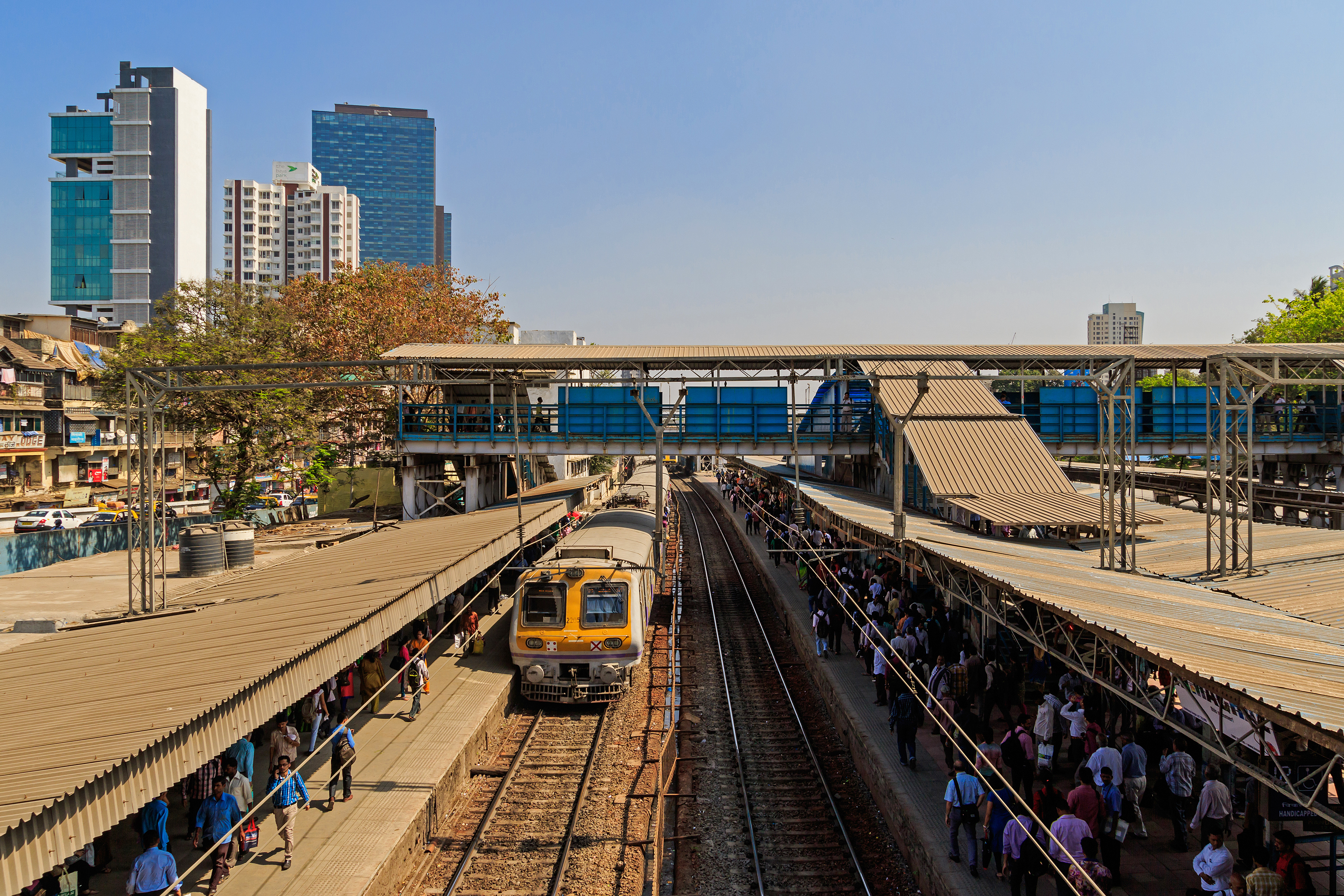
A potato fritter. A soft pav. A hungry railway crowd. The widely told Ashok Vaidya story begins outside Dadar station — where a simple working-city snack became shorthand for Mumbai itself.


Founder portrait slot — designed for an approved family/archive photograph. Until a licensed portrait is supplied, the site avoids using an unrelated person's image.
Food histories most often credit street vendor Ashok Vaidya with selling the earliest vada pav outside Dadar railway station in 1966. His genius was not complexity — it was understanding exactly what the city needed.
The snack could be assembled in seconds, carried in one hand, eaten while standing, and priced for workers and commuters. That fit turned a street-side combination into a cultural icon.

There is no need to make it fancy. The architecture already works.
Soft ladi pav gives the snack its portable shape and absorbs chutney without becoming the main event.
Spiced potato is coated in gram-flour batter and fried until the shell is crisp and the centre stays soft.
Dry garlic heat and fresh green chutney bring depth, spice and the flavour signature that changes stall to stall.
Fried or salted green chilli on the side. Optional in theory. Emotionally mandatory for many Mumbaikars.
The full story is richer, but these five stops explain why the snack endured.
Ashok Vaidya is widely credited with starting a vada pav stall outside Dadar station.
Commuters and textile-mill workers help make the cheap, portable snack part of daily Mumbai.
After the 1982 mill strike, more workers reportedly turned to vada pav vending for livelihood.
The short documentary Vada Pav Inc. brings Ashok Vaidya's story to the Mumbai Film Festival.
Food guides and travellers know vada pav as one of Mumbai's defining street foods.
One-handed, compact and quick enough for the seconds between platform, road and office.
Its working-class roots made it accessible long before street food became a culinary trend.
Heat, crunch, softness and spice create maximum impact without cutlery or ceremony.
Students, workers, celebrities, tourists — the pavement does not need a dress code.
A heritage food brand gets stronger when the core product remains the main character. These are presentation ideas for the website — not claims about a current official menu.


Photography sources and licenses are documented in the README. The Kirti College stall image is intentionally labelled as a separate business to avoid conflating histories.
A short documentary focused on the snack's rise and Ashok Vaidya's story.
2016 • GBH / PRIA profile on the origin story and second-generation continuity.
TasteAtlasVada pav continues to appear in international sandwich and street-food coverage.
Open the media wall →“The best street food does not slow the city down. It gives the city enough energy to keep moving.
“Soft pav, hot vada, spicy chutney — the whole experience is over in minutes but stays in memory for years.
“Dadar, local trains and vada pav belong in the same mental photograph of Mumbai.
A few useful answers — with the history kept separate from unverified operating details.
A street vendor widely credited in food histories with starting a vada pav stall outside Dadar railway station in 1966.
No. The famous Kirti College Ashok Vada Pav is a separate business started by Ashok Thakur in 1978. The distinction matters when using press coverage or photographs.
Its portability, speed, price and big flavour made it unusually well matched to commuters and workers in a dense, fast-moving city.
Not in this website concept. Those should be supplied and approved by the business before launch.
See the heritage timeline, read the press archive or use the visit page to plan the final production-ready location experience.